Why Peptides Are Suddenly Everywhere
Peptides have quietly moved from niche research tools into one of the most talked-about categories in modern science, health, and performance.
What changed?
Three things collided at once:
- GLP-1 drugs reshaped metabolic science
- Consumer demand for “optimization” exploded
- Regulators are being forced to re-evaluate peptide access
The result: peptides are no longer just a scientific curiosity — they are at the center of one of the fastest-growing biomedical trends in the world.
The global peptide therapeutics market alone is projected to grow from ~$54B in 2026 to over $87B by 2035.
But the story goes deeper than market size.
The GLP-1 Effect: The Catalyst Behind the Peptide Boom
If there’s one category responsible for bringing peptides into mainstream awareness, it’s GLP-1 receptor agonists.
These are peptide-based compounds that influence:
- insulin signaling
- appetite regulation
- metabolic efficiency
They’ve fundamentally changed how obesity and metabolic disorders are approached.
In fact:
- GLP-1 therapies have seen mass adoption, with millions of patients using them
- Some next-gen compounds (like multi-hormone agonists) may produce significantly greater weight loss than earlier versions
- Research is expanding into areas like:
- cardiovascular health
- addiction pathways
- sleep disorders
- liver disease
This isn’t just a drug class — it’s a platform technology for human biology.
Beyond GLP-1: The Rise of Multi-Target Peptides
The next wave of peptide research is moving beyond single-pathway targeting.
Instead of affecting one receptor, newer compounds are designed to:
- act on multiple metabolic pathways simultaneously
- combine effects like:
- appetite suppression
- energy expenditure
- glucose regulation
This is why compounds like:
- dual agonists
- triple agonists
are generating so much attention in research circles.
The goal isn’t just weight loss anymore — it’s system-wide metabolic optimization.
The “Grey Market” Reality (And Why It Matters)
Here’s where things get real — and where your positioning matters.
Despite rapid growth, most peptides outside of a few approved drugs:
- are not FDA-approved for human use
- lack long-term human clinical data
- are often sold in unregulated environments
At the same time:
- demand is exploding
- online communities are experimenting
- influencers are accelerating adoption
This has created a massive disconnect between:
scientific potential vs. regulatory reality
Recent developments show regulators are now stepping in:
- The FDA is actively reviewing whether certain peptides can be more widely accessed through compounding pharmacies
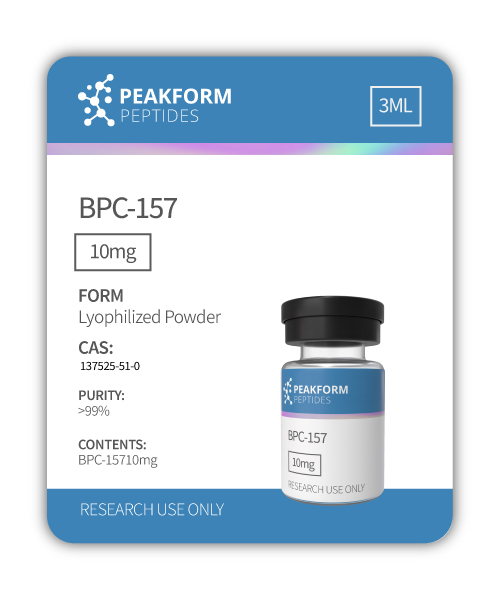
- Compounds like BPC-157, TB-500, MOTS-c, and KPV are under renewed scrutiny
- Officials are trying to balance:
- safety concerns (toxicity, purity, lack of trials)
- vs. overwhelming public demand
This is a key inflection point for the entire industry.
Why Research-Use Peptides Are Gaining Attention
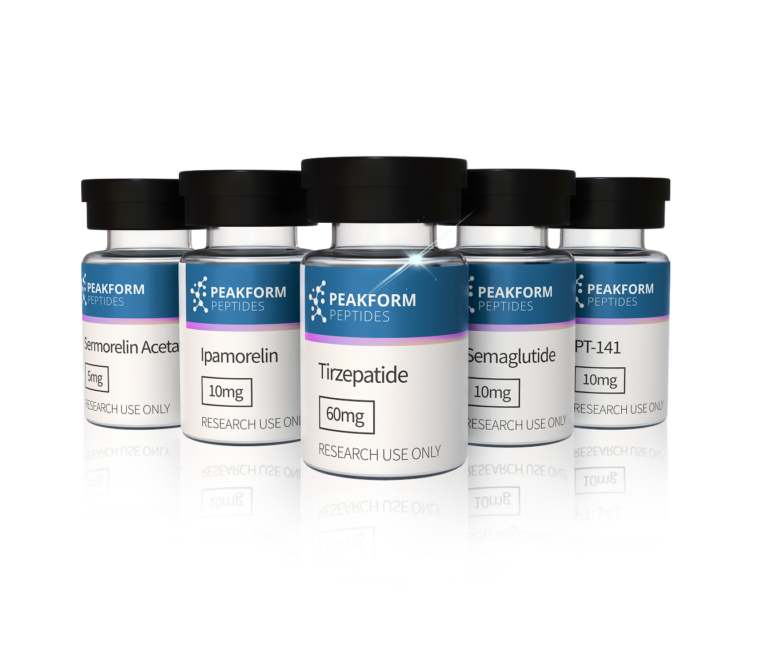
Because of these constraints, research-grade peptides have become increasingly important.
They allow:
- controlled study environments
- exploration of mechanisms of action
- development of future therapeutic applications
Peptides themselves are not new — over 100 FDA-approved drugs are peptide-based, including insulin and GLP-1 medications.
What’s new is:
- the breadth of compounds being explored
- the speed of discovery
- and the consumer awareness of their potential
Key Research Areas Driving Interest in 2026
1. Metabolic Regulation
- GLP-1 and beyond
- dual/triple agonists
- energy balance and appetite signaling
2. Tissue Repair & Recovery
- peptides studied for:
- angiogenesis
- collagen synthesis
- inflammatory signaling pathways
3. Longevity & Cellular Health
- mitochondrial peptides (like MOTS-c)
- oxidative stress pathways
- metabolic resilience
4. Neurological & Cognitive Research
- neuropeptides affecting:
- mood
- focus
- neuroplasticity
5. Skin & Aesthetic Biology
- peptides involved in:
- collagen production
- dermal signaling
- regenerative processes
The Consumer Shift: From Treatment to Optimization
One of the biggest macro trends:
People are no longer just trying to treat disease — they’re trying to optimize baseline biology.
Peptides sit right at that intersection.
But here’s the reality:
- Much of the hype is ahead of the data
- Long-term effects are still being studied
- Misuse and poor sourcing introduce real risks
That’s why the conversation is shifting from:
“Do peptides work?”
to:
“How do we study them properly, safely, and systematically?”
What This Means Going Forward
We are entering a phase where:
- science is accelerating faster than regulation
- consumer demand is shaping research priorities
- peptides are becoming foundational tools in biological exploration
But clarity is coming:
- Regulatory bodies are revisiting classifications
- Pharmaceutical companies are investing heavily
- New delivery methods (including oral peptides) are emerging
This will likely define the next decade of biomedical innovation.
Final Perspective
Peptides are not magic — but they are powerful.
They represent:
- a bridge between chemistry and biology
- a modular way to influence complex systems
- a rapidly evolving frontier of research
The key is understanding what is:
- proven
- experimental
- and still unknown
At PeakForm, the focus remains on supporting research-grade exploration, not hype — because the real breakthroughs happen when curiosity meets discipline.